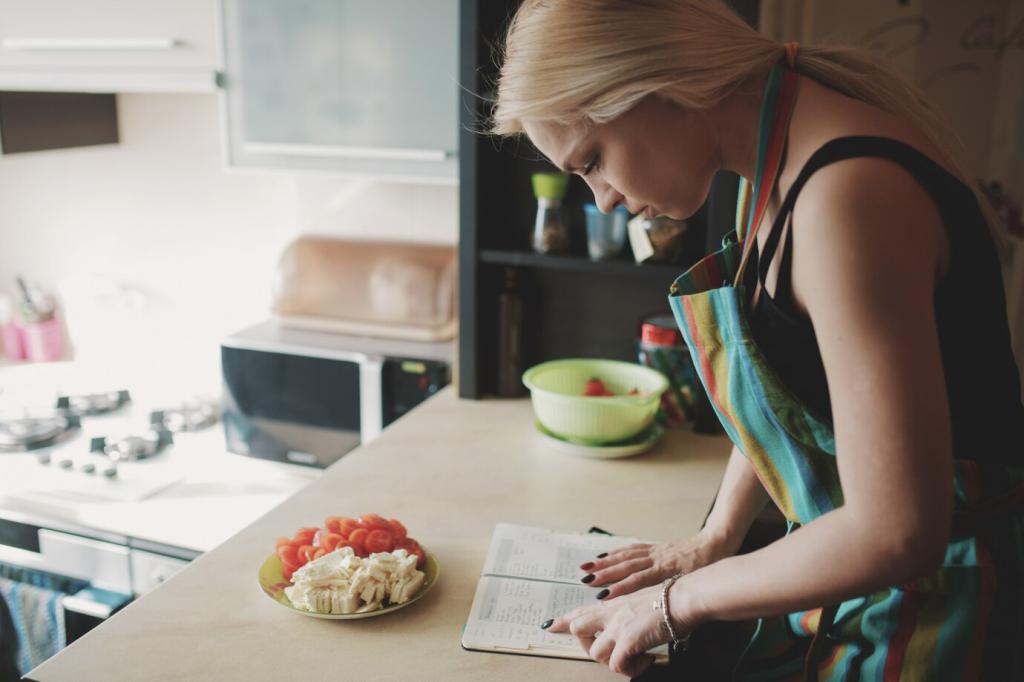
Chosen theme: Mastering Techniques: Lessons from Chef-Authored Books. Let’s turn pages into practiced moves, translating hard-won chef wisdom into confident, delicious cooking at home. Subscribe and share your favorite book-taught technique to keep this conversation sizzling.

Foundations from the Classics

Jacques Pépin’s calm, exacting guidance transforms chopping into choreography: stable board, claw grip, clean slices. Even dice means even cooking and cleaner flavors. Practice tonight, time yourself, and comment with your brunoise breakthrough.

Foundations from the Classics

From velouté to hollandaise, chef-authored classics teach that sauces are structure, not sorcery. Build flavor with careful browning, proper roux, consistent whisking, and patience. Try a pan sauce after searing chicken, then share your reduction tricks.

Foundations from the Classics

Julia Child and Thomas Keller insist: organized ingredients create organized results. Measure, chop, and preheat before heat meets food. You’ll cook calmer, cleaner, faster. Photograph your mise trays and tell us how it changed tonight’s dinner.

Foundations from the Classics

Lorem ipsum dolor sit amet, consectetur adipiscing elit. Ut elit tellus, luctus nec ullamcorper mattis, pulvinar dapibus leo.


Heat, Salt, and Time in Control

Samin Nosrat’s mantra—salt early, taste often—makes flavor bloom from within. Salt protein beforehand to improve texture, not only taste. Try pre-salting pork chops for hours, then report back on juiciness, browning, and overall depth.

Heat, Salt, and Time in Control

Chef books teach the dance between searing heat and gentle finishing. Preheat thoroughly, then shift pans off-center to control aggression. Sear mushrooms hard, finish with butter off heat, and share your favorite heat-juggling story below.
From mayonnaise to beurre monté, chefs teach emulsions as relationships between phases. Start slowly, balance temperature, and whisk with conviction. Rescue breaks by adding liquid gradually. Make a vinaigrette tonight and post your silkiest success tip.
Chef texts reveal confit as a preservation-born luxury: low heat, submerged in fat, tenderness unlocked. Try garlic confit for velvety cloves and infused oil. Drizzle over toast, then share how you repurposed the aromatic confit fat.
Many chef-authored books demystify sous vide: precise temperatures, consistent outcomes, and safety first. Season, bag, and bathe with patience; sear for crust. Experiment with eggs at different degrees and comment about your favorite texture milestone.
Inspired by Tartine methods, a lively starter builds strength and flavor. Watch dough temperature, stretch and fold gently, and trust time. Bake, listen to the crust sing, then share your crumb shot and fermentation schedule.

Plating, Aesthetics, and Story

Negative Space and Height

Use negative space thoughtfully, stacking for gentle height without teetering towers. Contrast textures: crisp beside creamy. Try a ring mold for neat grains. Share a photo of your plate and describe the story your arrangement tells.

Saucing with Intention

Chefs drizzle, dot, or brush sauce for clarity, not camouflage. Keep consistency pourable yet clingy. Wipe rims, then garnish sparingly. Practice with yogurt-lemon sauce on roasted beets and comment on how the strokes shaped perception.

Composing a Narrative Plate

Let technique carry emotion: a crunchy shard recalls hearth, a bright pickle signals surprise. Choose three focal elements, not ten. Plate, taste, adjust, repeat. Tell us your dish’s theme and which chef-authored lesson guided choices.
Nissahk
Privacy Overview

This website uses cookies so that we can provide you with the best user experience possible. Cookie information is stored in your browser and performs functions such as recognising you when you return to our website and helping our team to understand which sections of the website you find most interesting and useful.